Professional Editorial Photography: Techniques and Composition Rules
· By Seda Sepetçi
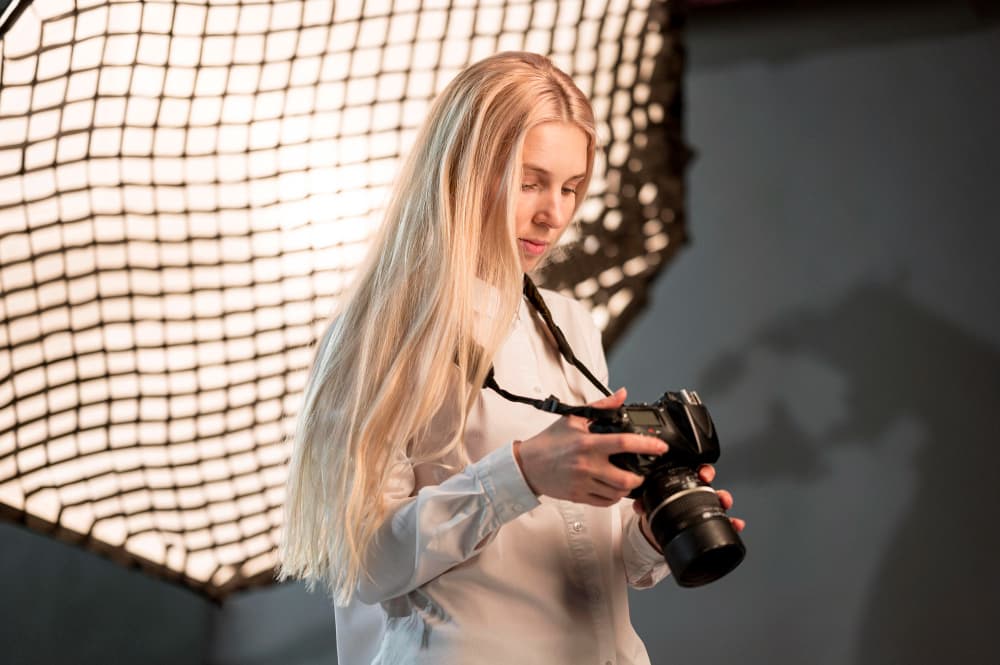
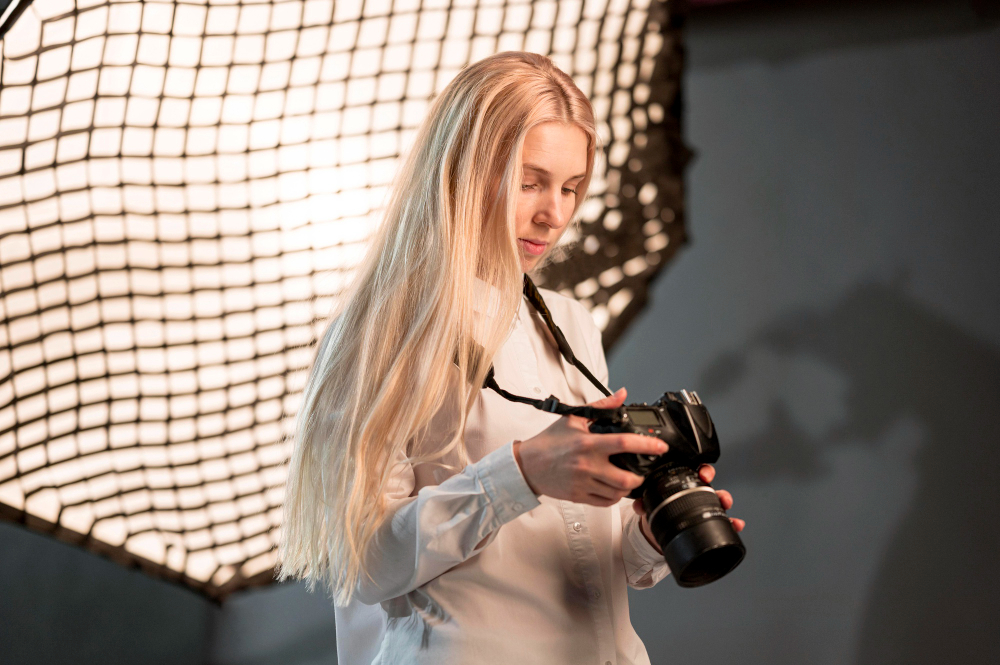
The world of photography has evolved far beyond simply freezing a moment in time to presenting the viewer with an idea, a lifestyle, or a narrative. Among these disciplines, one of the areas with the highest artistic expressive power is undoubtedly storytelling, which speaks to us from a magazine page or digital publication. An indispensable part of visual media and publishing, editorial photography is where technical excellence and creative vision meet in the most balanced way. At CreativesData, we address the technical steps to follow when transforming a concept into a visual and the intricacies of this art from a professional perspective.
What is Editorial Photography? Conceptual Framework
This style, which generally focuses on fashion, lifestyle, architecture, or portraits, aims to tell the story surrounding a product or subject rather than directly selling that product. The biggest difference from commercial photography is that the focus is not only on the object, but also on the atmosphere in which the object exists and the emotional message it conveys. The goal in editorial photography applications is to invite the viewer into an imaginary world or to deepen the content of an article with visual language. For this reason, when planning a shoot, every detail, from lighting to location selection, is designed to serve this purpose.
Technical Equipment and Lens Selection
The equipment used when telling a story determines the language and tone of the narrative. Elements such as sharpness, depth of field, and perspective directly affect the connection the viewer establishes with the image.
The Effect of Lenses on the Story
- 35mm Wide Angle Lenses: Ideal for conveying the relationship between the model or object and its surroundings. They successfully capture environmental details when you want to include the spirit of the space in the frame.
- 85mm Prime Lenses: Isolate the model from the background in portrait-focused shots. They draw attention entirely to the main subject with the “bokeh” effect and minimize distortion to reveal the most realistic facial features.
- 50mm Standard Lenses: Preferred for creating a natural and intimate atmosphere because they offer the perspective closest to the human eye.
Camera Settings and Sharpness
If a dynamic narrative is being constructed, keeping the shutter speed high (1/500 and above) prevents details from becoming blurred. However, if a more dreamlike and soft texture is desired, setting the aperture to open values such as f/1.4 or f/1.8 creates an artistic softness in out-of-focus areas.
Light and Atmosphere Creation Techniques
Light is the photographer’s brush. Successful editorial photography requires playing with the intensity and direction of light to create the desired atmosphere.
Natural Light vs. Artificial Light
Natural light creates an intimate atmosphere, especially preferred in lifestyle shoots. The hours known as the “golden hour,” at sunrise and sunset, offer soft shadows and warm tones. On the other hand, using flash and continuous lighting in a studio environment gives the photographer complete control over the scene. Classic techniques like Rembrandt lighting add dramatic depth to the face, while Butterfly lighting is used in fashion shoots to smooth out facial features.
Contrast and Color Temperature
Whether an image has cool or warm tones determines the mood of the story. A shot dominated by blue tones symbolizes melancholy or modernism, while warm, orange tones evoke nostalgia and a sense of security.
Composition and Artistic Concept
The placement of elements within the image takes the viewer’s eye on a journey within the frame. In the world of modern editorial photography, classic composition rules are often creatively bent.
- Use of Negative Space: Leaving part of the frame empty emphasizes the main subject while giving the viewer breathing room and creating space for designs with added text.
- Gaze Space and Direction: The direction the model is looking or the space left along their walking path evokes the feeling that the story continues.
- Angle Variety: Shots taken from very low or very high angles can give the subject an authoritative or fragile identity.
Post-Production and Color Theory
Once the shooting phase is complete, the digital editing process begins to ensure the visuals appear consistent as a series. Color theory comes into play here. The use of complementary colors (e.g., the contrast between orange and blue) enhances the visual impact. In editorial work, the “Color Grading” stage is like the signature of the photographs. Ensuring that all frames in a series have the same tones and contrast levels creates a sense of unity and professionalism in the medium in which they are published.
When you combine your vision behind the camera with technical knowledge, you produce not just a beautiful photograph, but a story that stands the test of time. With every click of the shutter, you renew the light, the angle, and the emotion.
← Blog