Lookbook Photography: Technical Rules and Professional Shooting Methods
· By Seda Sepetçi
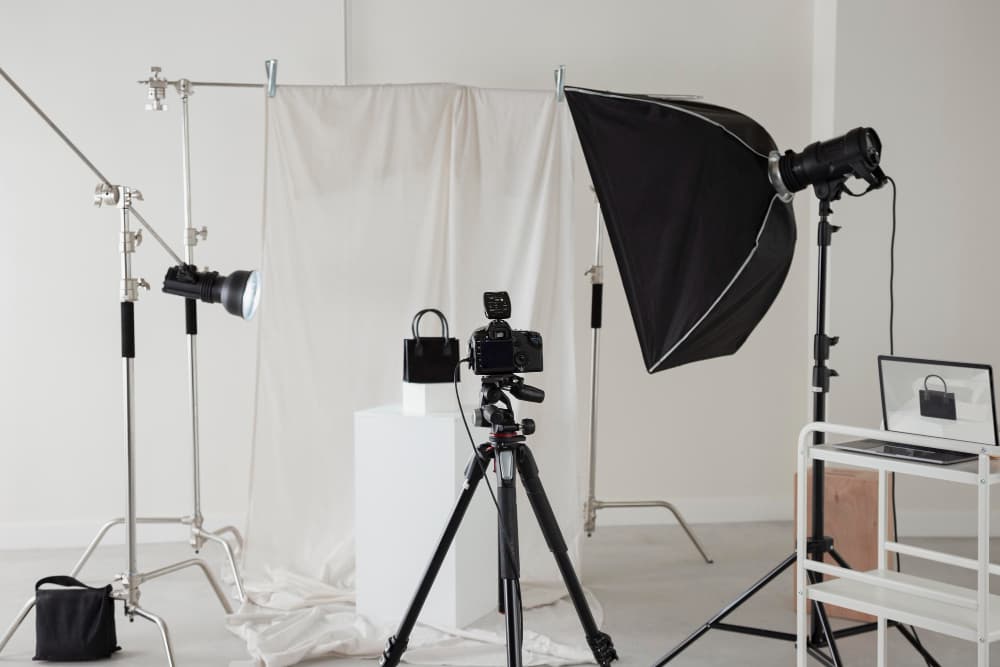
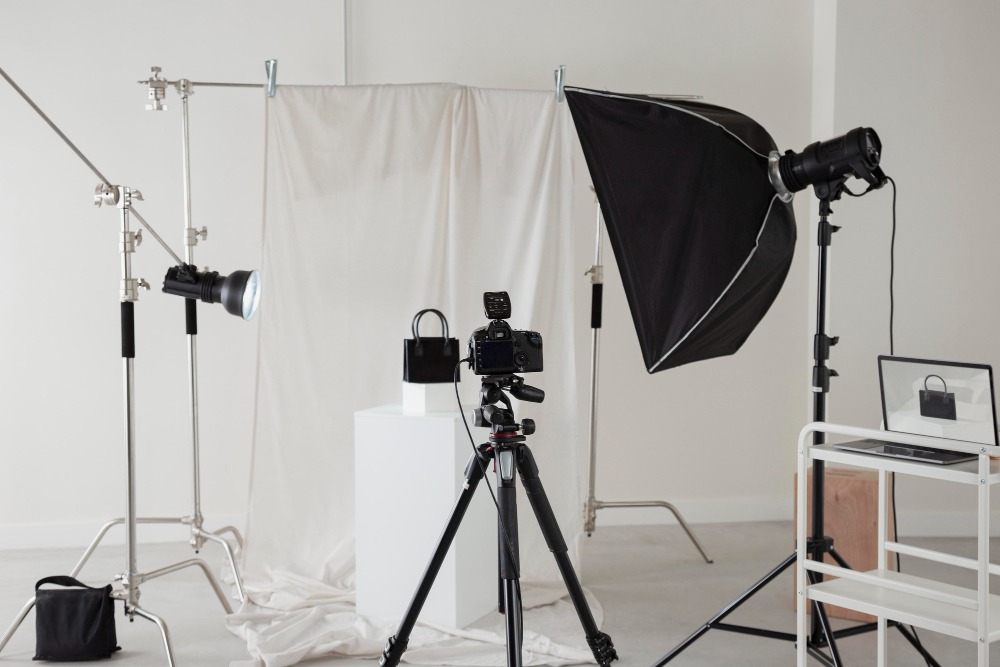
In the fashion industry, the visual presentation of a collection is the most direct way to convey the technical details and aesthetic value of designs to the audience. Among these presentation methods, lookbook photography, where pieces of a specific season are exhibited in unity, stands out as both an artistic and technical discipline.
Creating a lookbook is not just about taking photos of clothes; it is about creating a style guide through light, composition, and model management. As CreativesData, we detail the technical requirements and professional tips needed for a high-quality shooting process in this article.
Preparation Phase: Technical Equipment and Planning
The foundation of a successful shoot is correct equipment selection and meticulous pre-shoot planning. Lookbook shoots generally require high-resolution visuals with high color accuracy.
Camera and Lens Selection
Full-frame sensor cameras should be preferred to prevent detail loss and exhibit high performance even in low-light conditions. On the lens side, minimizing distortion is a critical rule.
- 50mm and 85mm Prime Lenses: Ideal for portraits and full-body shots; they offer a natural perception of depth.
- 24-70mm Zoom Lenses: Provide flexibility when shooting from different angles but must be used carefully for distortion control.
Color Management and Calibration
Reflecting the true colors of the clothes in the collection is essential for commercial integrity and aesthetic consistency. Therefore, using “Color Checker” cards during the shoot and calibrating monitors beforehand provides great convenience in the post-production stage.
Light Setup and Control for Lookbook Photography
Light is the most important technical element determining the quality of a lookbook shoot. Correct lighting techniques must be applied to emphasize the texture, stitching details, and form of the products.
In lookbook photography applications, soft and homogeneous light is generally preferred. The main reason for this is to soften harsh shadows on the clothes and ensure every detail of the product is visible.
- Softbox and Octabox Usage: Large-surface light shapers provide illumination that is evenly distributed over the model and the product.
- Key Light and Fill Light Balance: While the key light source defines the model’s form, the fill light lightens shadows, preventing details from getting lost.
- Background Lighting: If a pure white or solid color background is used, lighting the background independently of the model prevents the “flare” effect and adds depth.
Composition and Model Management Techniques
Composition in lookbook shoots should be constructed to highlight the functionality and style of the product. Unlike catalog shoots, a more dynamic and “living” stance is expected here.
Framing and the Golden Ratio
The model’s position within the frame should direct the viewer’s eye straight to the product. Vertical framing is standard for fashion, but the use of negative space is a strategic choice to leave room for designs that will include added text.
Product-Oriented Posing
The model’s movements should be directed to showcase the cut and drape of the clothing. To capture the movement of a flowing dress, the model is asked to make slight turns or walk. At this point, keeping the shutter speed at least 1/250 or higher prevents motion blur and ensures sharp visuals.
Post-Production: Editing and Consistency
The editing process that begins after the shoot ensures the visuals reach professional standards. The most important point to consider at this stage is “series consistency.”
All photographs within a lookbook must have the same color temperature (White Balance) and exposure value. Performing batch editing through software like Adobe Lightroom or Capture One is the most effective way to maintain this consistency. During the retouching process, it is important for a realistic look to clean only temporary flaws (dust, clothing wrinkles, etc.) without distorting the model’s natural structure.
← Blog