Advertising Photography: Technical Excellence and Visual Persuasion Strategies
· By Seda Sepetçi
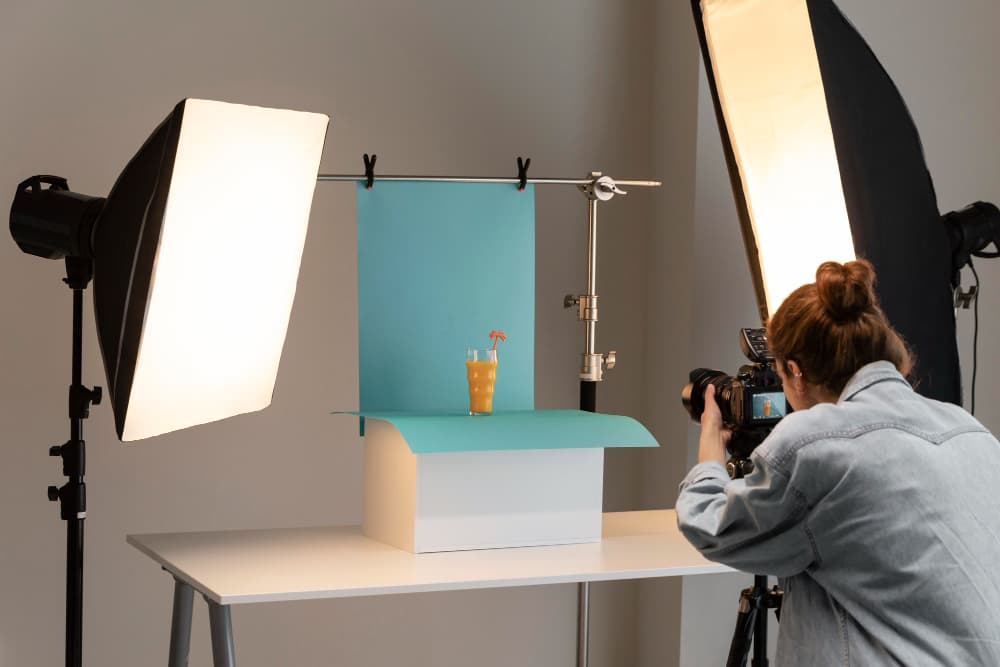
In a visually-oriented age, one of the most important factors determining the value of a product or service is how it is presented. The human brain processes images much faster than text, and this directly affects the commercial success of professional photography.
This is where advertising photography comes in; a field of expertise that combines aesthetics and persuasive power with technical discipline. More than just taking a beautiful photo, this discipline represents a promise of quality, requiring the right light, the right equipment, and a strategic perspective. At CreativesData, we examine how a commercial visual achieves professional standards and the technical critical points in this process.
Product-Focused Lighting Techniques
In commercial photography, light is the most fundamental tool for determining a product’s texture, form, and quality. Incorrect lighting can make even the highest-quality product look ordinary, while the right lighting setup can transform the product into a desirable object.
Hardness and Softness of Light
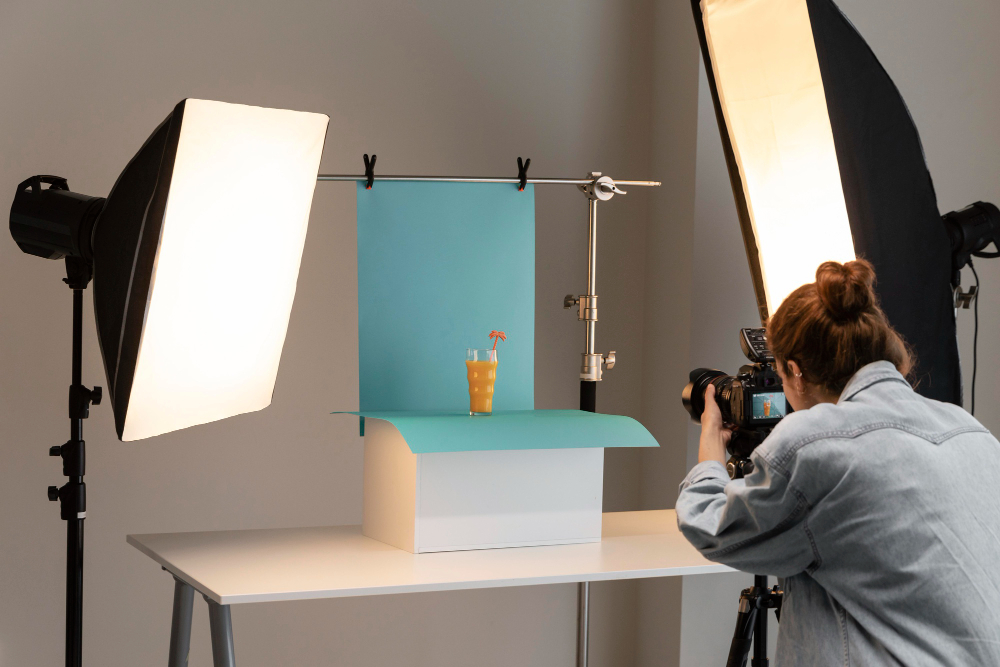
The character of the light should be selected according to the type of product. For example, hard light causes unwanted reflections (hotspots) on metallic or glass surfaces. In such cases, softboxes or diffuser panels that spread the light over a wide surface should be used. Soft light softens shadows, allowing the details of the product to be seen clearly.
Reflection Control and Shaping
Especially when photographing highly reflective products such as jewelry or automobiles, every glare on the product must be controlled. Using black and white cardboard (V-flats) to direct or block reflections is one of the most commonly used techniques in advertising photography. A “rim light” from behind, which highlights the edges of the product, increases the perception of depth.
Equipment Selection: The Right Lens and Sensor Power
In a commercial shoot, the possibility of the image being used in print or on giant screens makes equipment selection critical. It is impossible to achieve professional results with low-resolution or poor-quality lenses.
The Power of Macro Lenses
For shots where small details are important, such as watches, jewelry, or cosmetics, macro lenses of 100mm or above are preferred. These lenses provide crystal-clear images of textures that are difficult to see with the naked eye.
Tilt-Shift Lenses
These specialized lenses are used in architectural or large industrial product photography to prevent perspective distortion. Keeping the vertical lines of the product straight ensures a professional look.
Medium Format Cameras
Medium format bodies are often preferred for commercial photography for the highest color accuracy and dynamic range. These cameras produce massive data files that allow for flexibility in post-production.
Composition and Visual Hierarchy
Determining where the eye should look within an image depends on the photographer’s design skills. The viewer’s attention must be drawn to the most compelling point of the product within seconds.
The use of “negative space” (empty space) is a frequently used technique in advertising photography. These areas allow logos or text to be added to the image while also directing the viewer’s focus to the main subject. Geometric arrangements, such as the rule of thirds or the golden ratio, ensure that the image looks balanced and professional. In addition, adding “lifestyle” elements that create context related to the use of the product simulates its real-life impact.
Post-Production: Retouching and Color Calibration
The shooting stage is only part of the process. The visual reaches perfection in the digital darkroom. The processes carried out at this stage aim to make the product look flawless.
- Color Calibration: The RAW files recorded by the camera are calibrated for color accuracy.
- Retouching: Small scratches, dust, or manufacturing defects on the product are cleaned up.
- Focus Stacking: Especially in food or jewelry photography, multiple exposures are combined to create images with surreal clarity, where both the front and back of the product are sharp at the same time.
The Commercial Impact of Professional Presentation
Visual quality is directly related to the credibility of the brand. A potential customer associates a high-quality visual with a high-quality product. Therefore, a technically sound shooting process is not just about producing a visual, but about building the brand’s value. The attention paid at every stage, from lighting management to lens selection, determines the quality of the result.
When you combine your technical skills behind the camera with a creative vision, you produce works that leave a lasting impression on the viewer. Applying the right techniques and pushing the limits of your equipment will yield flawless results.
← Blog